
Sciatica Physiotherapy
at Home
a short walk feel daunting.
Tell us about the pain, tingling or numbness you're experiencing. We'll assess your symptoms and discuss what movement and activity advice is appropriate.
Request a Home Visit →across your area
physiotherapists
one-to-one care

Understanding Sciatica
Sciatica usually describes pain, tingling, numbness or other symptoms that travel from the lower back or buttock into the leg. Your physiotherapist assesses your movement, neurological symptoms, strength and the positions or activities that influence your symptoms.

How NEXmove Physio Can Help Sciatica
Treatment is tailored to how your symptoms behave and may include movement advice, graded activity, exercises for mobility and strength, and practical strategies for sitting, walking, work and everyday tasks.

Common Sciatica Symptoms
We Help With
Sciatica can feel different from person to person. We focus on the pattern of your symptoms, your movement and function, and the activities that aggravate or relieve them rather than using a one-size-fits-all programme.


Leg Pain & Tingling
Pain, tingling or altered sensation travelling from the back or buttock into the leg.

Lower Back & Leg Pain
Symptoms involving both the lower back and leg that affect movement and everyday activity.

Sitting-Related Symptoms
Symptoms aggravated by prolonged sitting, driving or sustained positions.

Activity-Related Symptoms
Symptoms influenced by work, lifting, walking or repeated movement.

Nerve Irritation
Rehabilitation when nerve-related symptoms affect comfort, mobility or confidence.

Persistent Sciatica
A progressive approach when symptoms have been present for longer and function is reduced.
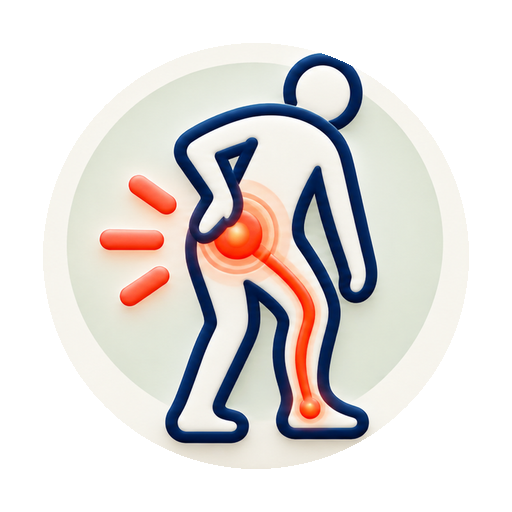
Common Symptoms
- Pain from the lower back or buttock into the leg
- Tingling or pins and needles
- Numbness or altered sensation
- Symptoms affected by sitting, bending or walking
- Weakness or reduced confidence using the leg in some cases
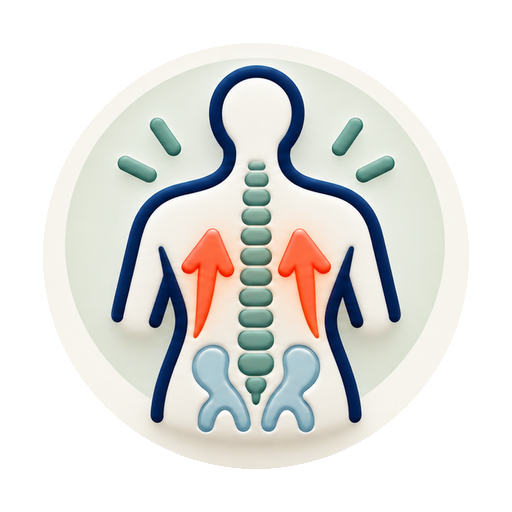
What Physiotherapy Focuses On
- Identify movements and positions that influence symptoms
- Maintain or restore comfortable movement
- Build trunk and leg strength gradually
- Improve confidence with walking and daily activity
- Develop practical strategies for work, sitting and lifting
- Support a gradual return to valued activities
Your Sciatica Treatment Journey
A clear, individual progression based on your symptoms, movement and goals.
Detailed Assessment
We assess your symptom pattern, movement, strength and neurological signs.
Personalised Plan
Your plan is matched to what aggravates or relieves symptoms and what you need to do.
Hands-on Treatment
Appropriate treatment may support comfort and movement while active rehabilitation progresses.
Targeted Exercises
Exercises build mobility, strength and confidence for daily activity.
Progress & Prevention
We review change and build a practical plan for ongoing movement and activity.
Benefits of Home Physiotherapy
Receive individual sciatica rehabilitation in the environment where you sit, walk and move every day.

Convenient and flexible

No travel required

Sciatica rehabilitation tailored to you

Personalised one-to-one care

Practical sitting and activity advice

When to Seek Urgent Medical Help
Please seek urgent medical assessment if you experience:
- New problems with bladder or bowel control
- Numbness around the groin or inner thighs (saddle area)
- New or rapidly worsening weakness in the legs
- Severe symptoms after a significant injury
- Fever, unexplained weight loss or feeling systemically unwell with severe back or leg pain
Frequently Asked Questions
Answers to common questions about sciatica physiotherapy.
Is sciatica always caused by a slipped disc?
No. Sciatica describes a pattern of nerve-related symptoms and can have different contributing factors. Assessment focuses on your symptoms, movement and neurological findings rather than assuming one cause.
Should I rest when I have sciatica?
Complete rest is not usually the goal. Appropriate movement and activity are often helpful, but the amount and type should be adjusted to your symptoms and medical situation.
Can physiotherapy help tingling or numbness?
Physiotherapy can help address movement, strength and function when symptoms are related to nerve irritation, but progressive numbness or weakness should be medically assessed.
How long does sciatica take to improve?
Recovery varies widely depending on the cause, severity, duration of symptoms and individual factors. Your progress should be reviewed rather than judged against a fixed timeline.
Can you treat sciatica at home?
Yes. Home physiotherapy can assess movement and function and provide a personalised exercise and activity plan in your own environment.
From Sciatica Pain to a More Active, Comfortable You
Expert physiotherapy at your home, tailored to your sciatica symptoms and goals. Book your assessment and take the next step towards easier, more confident movement.
